

Discovering the Roots of Greater Avenues
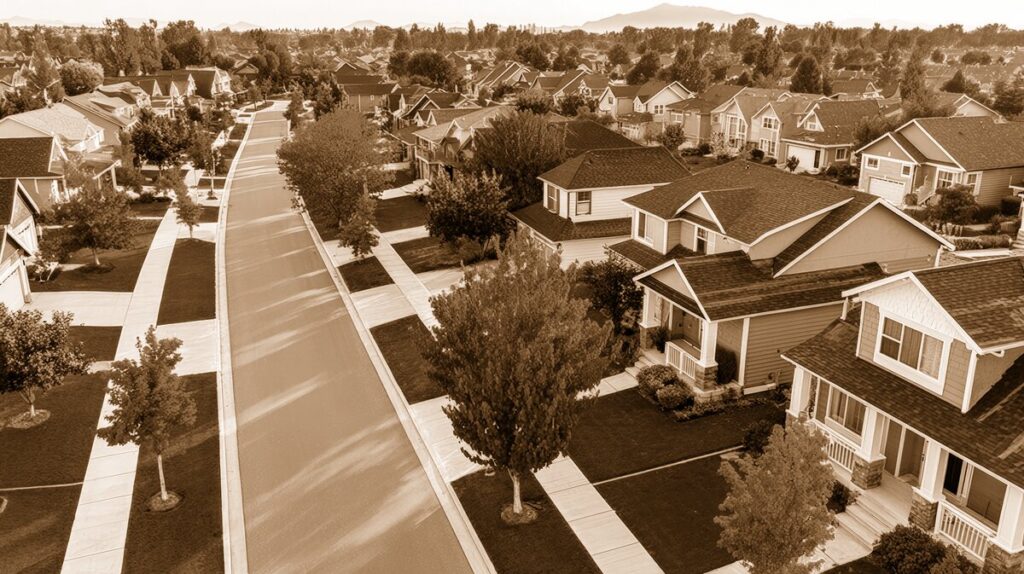
Nestled just east of downtown Brigham City, the Greater Avenues neighborhood is one of those rare places where the past feels warmly alive amid the hum of modern life. For residents and visitors alike, wandering through its tree-lined streets means experiencing a living patchwork of historic charm, community spirit, and evolving identity.
The story of the Greater Avenues dates back to Brigham City’s early settlement era in the mid-19th century. Mormon pioneers first arrived in the region led by Brigham Young in 1851, rolling their wagons into the fertile valley beneath the Wasatch Front. The city itself was laid out with careful planning—wide streets, tidy blocks, church meetinghouses, and plenty of room for prosperity and growth.
How the Greater Avenues Got Its Name
Unlike most neighborhoods, the Greater Avenues owes its name to a very literal mapping—one that set it apart from Brigham City’s regular street grid. The original “Avenues” referenced a series of east-west thoroughfares running parallel to the hillside, branching out above Main Street. As families built homes higher up the slope and the area blossomed, these stretches became affectionately known as the “Avenues.” In time, as new homes pushed even further east and north, the term “Greater Avenues” emerged to describe this broader residential haven, encapsulating everything from First Avenue up to the city limits, with each avenue a sought-after address of its own.
Key Milestones in Neighborhood History
The Greater Avenues neighborhood has witnessed a remarkable tapestry of events and transformations:
- Late 1800s–Early 1900s: Grand Victorian homes began to appear, built by Brigham City’s prominent families. Craftsman bungalows and brick cottages followed, many of which still stand proudly today, bearing original porches and decorative trims.
- 1930s–1940s: With the Great Depression and World War II, families adapted old homes and welcomed newcomers—neighbors supporting one another through tough times.
- Post-War Boom: The 1950s saw the development of newer streets—like Canyon Road and Highland Boulevard—bringing modern ranch houses and split-levels, as Brigham City grew and prospered.
- Late 20th Century: Preservationists and city leaders recognized the unique heritage of the older homes, starting initiatives to restore landmarks and retain the neighborhood’s historic streetscape.
Notable Landmarks and Local Institutions
One of the joys of life in the Greater Avenues is the wealth of enduring landmarks and community spaces that give the neighborhood its identity.
Landmarks & Architecture
- Box Elder Tabernacle: Located just blocks west of the Avenues, this sandstone structure completed in 1890 is a testament to faith, resilience, and architectural grandeur. Its spired silhouette remains a neighborhood anchor.
- Old Academy Building: Once the pride of Brigham City’s educational system, the academy building on First Avenue served multiple generations and stands as a tribute to early investments in schooling.
- Historic Homes: Take a stroll down Forest Street or along Second Avenue and you’ll find ornate pioneer houses with hand-carved cornices, stained glass windows, and century-old trees shading walkways.
Parks and Community Spaces
- Rees Pioneer Park: Although just outside the official Avenues’ bounds, this green retreat is a favorite gathering place—with old-growth pines, sports fields, and the sounds of family picnics mingling with birdsong.
- The Peach Days Parade Route: Each September, the city’s celebrated Peach Days festival winds its way down Main Street and brushes the edge of the Avenues. Residents decorate porches and share treats as floats and bands pass by.
Evolution Through the Decades
No neighborhood stands still, and the Greater Avenues’ story is one of growth and adaptation while holding fast to its roots. Over the decades, residents have balanced modern needs with a commitment to historic preservation. Homeowners carefully restore vintage facades, while welcoming families update interiors for contemporary life.
As Brigham City has expanded to the south and west, the Avenues have stayed somewhat insulated from the bustle—an enclave where neighbors know each other by name and generations tend to stay close. The tradition of evening strolls along Second or Third Avenue continues, now with children zooming by on scooters or walkers pausing to admire flower gardens and mountain views.
The Spirit of Greater Avenues Today
So what keeps the Greater Avenues special, decade after decade? Perhaps it’s the sense of continuity: nearly every home here comes with a story, whether it’s tales of pioneering ancestors or lingering echoes of community traditions like orchard-planting or holiday caroling.
New residents are welcomed as readily as the old. Community events—block parties, park cleanups, and porch concerts—bring out the best in neighborly spirit. The proximity to downtown’s shops, local schools, and the recreation-rich foothills means families can walk or bike almost everywhere.
Above all, the Avenues offer something intangible: a sense of heritage you can feel in the bricks, the trees, and the easy conversation of neighbors on warm summer nights.
Come Visit, and Stay Awhile
For those new to Brigham City or just passing through, the Greater Avenues invites exploration. Wander its crooked lanes, admire its well-loved homes, and listen for the echoes of a storied past. In an ever-changing city, it’s comforting to know there are still places where history and heart go hand in hand—and where a friendly wave from the porch is always waiting.